Acton Central gardening services for landlords and offices
If you manage rental property or an office building in Acton Central, outdoor space can quietly make or break first impressions. A tidy front border, a cut lawn, and a hedge that does not sprawl over the path all signal care before anyone has even opened the door. That is the real value of Acton Central gardening services for landlords and offices: not just keeping things neat, but keeping the property presentable, safer, and easier to manage week after week.
To be fair, most landlords and office managers do not need a "show garden". They need dependable, sensible maintenance that keeps tenants happy, visitors comfortable, and complaints to a minimum. This guide breaks down what professional gardening support usually includes, how the service works, what to look for, and where the common traps are. If you are comparing options, it should help you make a better decision without all the fluff.
One small note before we get into it: the best results usually come from a regular routine, not a heroic one-off tidy-up when things have already got out of hand. Anyone who has inherited a bramble patch knows exactly what that means.
- Why it matters
- How the service works
- Key benefits
- Who needs it
- Step-by-step guidance
- Expert tips
- Common mistakes
- Tools, resources and recommendations
- Law, compliance and best practice
- Options and comparison
- Real-world example
- Practical checklist
- Conclusion
- Frequently asked questions
Why Acton Central gardening services for landlords and offices Matters
Outdoor areas are often treated as background detail until something goes wrong. A hedge blocks sightlines, a path gets slippery with fallen leaves, the bins area starts to smell, or the front garden looks neglected enough for tenants to complain. Then it suddenly matters a lot.
For landlords, outside space influences how a property is perceived during viewings, inspections, and day-to-day tenancy life. A well-kept front garden can reduce avoidable friction with tenants, neighbours, and managing agents. It also helps protect kerb appeal, which is still one of those practical things that everyone understands even if nobody writes about it on a spreadsheet.
For offices, the garden or frontage is part of the workplace experience. Staff see it every morning. Clients see it when they arrive. If it looks unmanaged, that feeling carries into the rest of the building. A little effort outside can make the whole site feel more organised, more cared for, and more professional.
There is also a simple operational reason. Regular maintenance is usually easier and cheaper than reactive clearance after weeks of growth. Once a space becomes overgrown, you are no longer paying for tidy-up work alone; you are paying to undo neglect.
Expert summary: the smartest gardening arrangement for landlords and office managers is usually one that prevents problems, keeps access clear, and fits a predictable schedule. In practice, consistency beats drama every time.
If you want a broader overview of the types of work a professional team may cover, the services overview is a useful place to start.
How Acton Central gardening services for landlords and offices Works
In most cases, the process starts with a brief site review. The gardener or property manager looks at what is actually there: lawn size, hedge height, access points, waste volume, planting beds, and any awkward corners where weeds or moss keep returning. That first look matters more than people think.
From there, the service is usually built around a schedule. For some properties, that means weekly or fortnightly mowing and litter removal. For others, monthly or seasonal visits may be enough. Offices with high footfall tend to need more frequent attention to entrances, paths, and visible borders, while rental properties may need a mix of general maintenance and occasional clearance between tenancies.
Typical work can include:
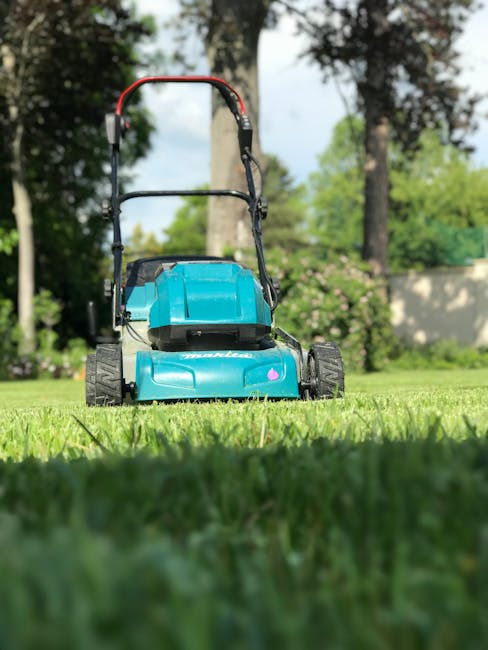
- lawn mowing and edging
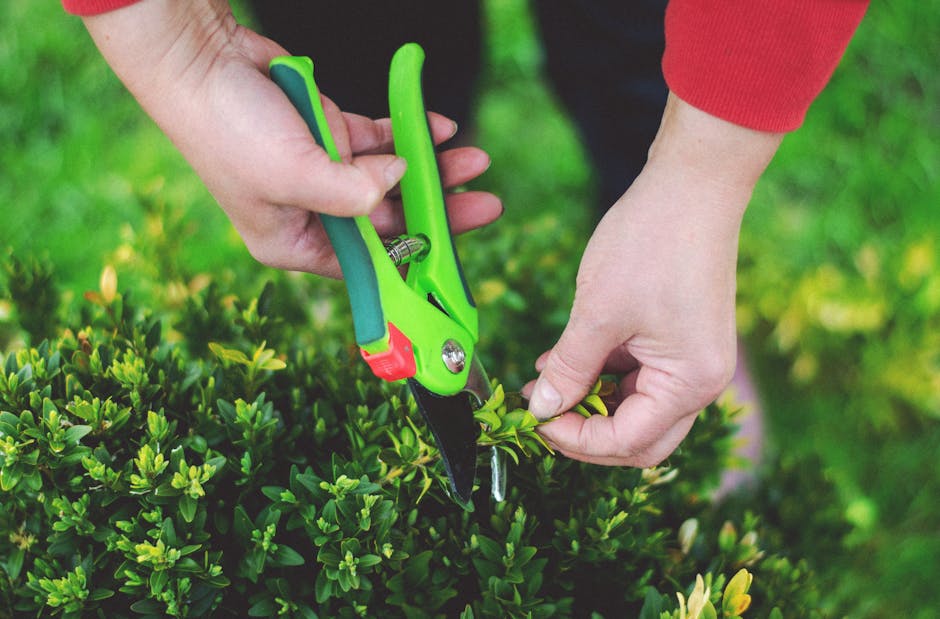
- hedge trimming and shaping
- weed control in beds and paved areas
- leaf collection and seasonal tidy-ups
- pruning and basic plant care
- clearance of overgrowth before lettings or inspections
- light landscaping improvements where needed
For more specific tasks, landlords often combine regular visits with occasional deeper work such as garden clearance after a void period or a tenant move-out. Offices may prefer a maintenance-first approach, supported by occasional updates to beds, borders, or entrance areas.
The practical point is this: a good service is not a generic "mow everything" job. It should match how the property is used. A front garden outside a managed office in Acton Central has different pressures from a small rental courtyard, and the maintenance plan should reflect that. Otherwise you end up paying for the wrong kind of attention.
Key Benefits and Practical Advantages
The benefits of proper grounds care are straightforward, but they stack up quickly. One little improvement often makes the next one easier to justify.
1. Better presentation
A neat outdoor area makes the property look occupied, managed, and safe. That matters to tenants, visitors, staff, and sometimes neighbours too. In an office context, it can subtly improve how clients perceive your business before any conversation begins.
2. Less reactive maintenance
Regular care keeps growth under control and stops small issues becoming big ones. A hedge that is trimmed little and often is easier to manage than one hacked back once a year. Same with lawns, weeds, and border edges.
3. Safer access
Pathways, entrances, steps, and parking-adjacent planting all need to stay clear. Overgrown shrubs, slippery debris, and low-hanging branches are the sort of thing people stop noticing until someone nearly slips or bumps into them. Not ideal.
4. Better tenant and staff experience
People notice the outside before they notice the nice bits inside. A pleasant approach can make a rental property feel more cared for and an office feel less tired. That human response is real, and it influences satisfaction more than some managers expect.
5. Reduced reputational risk
For landlords, visible neglect can trigger complaints. For offices, it can make a business seem less organised. Nobody wants a client arriving through a front garden that looks like it has been left alone since spring.
6. Easier planning and budgeting
Once a schedule is agreed, maintenance becomes more predictable. It is easier to budget for steady upkeep than for repeated emergency call-outs. That is especially true when several properties or sites are involved.
Who This Is For and When It Makes Sense
This kind of service is useful for a surprisingly wide mix of people, but the needs are not the same across the board. Knowing where you sit helps you avoid overbuying or under-specifying.
- Private landlords: especially those with front gardens, shared access areas, or end-of-tenancy clean-up needs.
- Managing agents: who need reliable upkeep across multiple residential sites or mixed-use buildings.
- Office managers: who want the exterior to stay presentable without creating extra admin.
- Facilities teams: that need a regular grounds maintenance partner rather than one-off help.
- Letting and property professionals: who want quicker turnaround between occupancy periods.
It makes sense when the outdoor area affects access, presentation, or tenant satisfaction. It also makes sense when your own team is already stretched. Let's face it, most office teams have enough to do without adding hedge trimming to the Wednesday to-do list.
There are also times when the work is more urgent. A property may need attention after an empty period, after storm damage, or ahead of a viewing. In those cases, a combination of maintenance and lawn mowing or hedge work can quickly reset the space.
Step-by-Step Guidance
If you are arranging gardening support for a landlord portfolio or an office site, the easiest way to get it right is to treat it like a small operational project. Nothing complicated. Just a few sensible steps.
- Walk the site properly. Look at the entrances, side access, rear garden, waste points, and any planting that tends to get forgotten.
- List the priorities. Decide what must be done every visit, what can be seasonal, and what only needs occasional attention.
- Separate safety issues from cosmetic issues. A tree leaning over a walkway is not the same as a tired-looking border.
- Choose a frequency that matches use. Busy sites usually need more frequent visits than quiet ones.
- Ask how waste is handled. Green waste removal, recycling, and site tidiness after the job all matter.
- Confirm access and timings. Office work often needs sensible scheduling so the team is not working over visitor peaks or tenant disruptions.
- Review after the first visit. Check whether the work matched the brief, then fine-tune the plan if needed.
A good starting point for planning a routine maintenance setup is garden maintenance, because it usually covers the recurring tasks that keep a site under control.
If the property has been neglected for a while, it may need a reset first, then maintenance afterwards. That sequence is simple, but people skip it all the time and wonder why the site still looks messy. It is a bit like cleaning a kitchen before you start cooking. Obvious, yet surprisingly easy to miss.
Expert Tips for Better Results
Good garden care is often about small judgement calls rather than big dramatic interventions. These are the little things that make a real difference.
Keep the brief practical, not poetic
Say what you want maintained, how often, and what matters most. "Make it look nice" is too vague. Better is: keep the front lawn short, the hedge below the window line, and the side path clear of weeds.
Think in zones
Front-of-house areas matter most for impression. Side and rear areas may matter more for access, waste, or tenant use. Treating every corner as equally important can waste budget.
Use seasonal logic
Spring growth, summer mowing, autumn leaf clearance, winter inspection of structural plants and paths. The job changes across the year, and the schedule should too. That sounds obvious, but the obvious stuff is usually the stuff that saves you money.
Do not ignore hedges and trees
Overgrown hedges can quickly dominate a site. Trees are even more important because they can affect light, access, and safety. Where tree work is needed, it is sensible to look at hedge trimming and, where appropriate, tree lopping and removal as part of the wider plan.
Ask what happens after the cut
The finish matters. Clippings left in corners, debris on steps, and waste bags left visible can undo a neat job fast. A tidy end-of-visit routine is a small sign of a reliable team.
Plan for change
Tenancy changes, office refurbishments, and weather all change what the site needs. A flexible arrangement is usually better than something rigid and brittle. Truth be told, gardens rarely respect neat admin schedules.
Common Mistakes to Avoid
A lot of avoidable issues come from assuming garden care is simple enough to leave unplanned. Sometimes it is simple. Sometimes it is not. Here are the mistakes that show up most often.
- Booking only when the site looks bad: reactive work usually costs more and feels more stressful.
- Using the same schedule year-round: winter and summer rarely need the same level of intervention.
- Ignoring access constraints: narrow side entrances, locked gates, or shared areas can slow work down if nobody mentions them.
- Forgetting waste removal: a site can look half-finished if green waste is left behind.
- Focusing only on mowing: lawns are only one part of the picture; borders, hedges, and entrances often matter more visually.
- Not checking insurance and safety: for landlord and office sites, that is not a nice-to-have.
There is also the classic mistake of setting a vague brief and then being disappointed the result does not match the picture in your head. The gardener cannot read that picture, sadly. If they could, half the industry would be retired by Tuesday.
Tools, Resources and Recommendations
You do not need to become a gardening expert to manage the service well, but it helps to know what tends to be used and why.
Common equipment and what it is for
- Mowers: for keeping grass level and manageable.
- Trimmers and shears: for hedges, edges, and shaping.
- Leaf collection tools: for seasonal clean-ups and safer paths.
- Pruning tools: for controlled cutting on shrubs and smaller plants.
- Green waste bags or collection systems: for a cleaner finish.
Useful service pages to understand the scope
If you are building a maintenance plan, it can help to look at the specific workstreams rather than guessing. For example, hedge trimming is often best separated from general mowing, and garden clearance is usually a distinct one-off service rather than standard upkeep.
For larger outdoor improvements, you may also want to review landscape gardening or landscaping if the goal is to redesign rather than simply maintain.
And if you are setting expectations around service standards, the company's own insurance and safety information and health and safety policy are worth reviewing before work begins. That is just sensible, especially on shared or public-facing sites.
Law, Compliance, Standards, or Best Practice
Gardening for landlords and offices is not just about appearance. It also touches on safety, access, and the practical responsibilities that come with managing property. The exact obligations depend on the site and the contract, so it is wise to be careful rather than overconfident.
For landlords, common issues include keeping access paths reasonably clear, avoiding hazards that could affect visitors or tenants, and making sure outdoor areas do not become a source of complaints. For offices, similar principles apply, but the emphasis is often on safe access for staff, visitors, and deliveries.
Best practice usually includes:
- documenting the agreed scope of work
- checking whether any areas are shared or sensitive
- notifying the gardener about access restrictions or site rules
- ensuring waste handling is agreed in advance
- making sure any higher-risk tasks are handled appropriately
If a job involves trees, larger overgrowth, or awkward access, caution matters. Not every plant needs drastic action, and not every branch should be treated the same way. A measured approach is usually the safest one.
It is also sensible to understand the provider's commercial terms and payment arrangements. The pages on payment and security and terms and conditions help set expectations before any work starts.
Options, Methods, or Comparison Table
Different properties need different approaches. Some sites need steady light-touch care. Others need a reset, then ongoing maintenance. Here is a simple comparison to help you choose.
| Approach | Best for | Strengths | Limitations |
|---|---|---|---|
| Routine maintenance | Occupied rental homes, office frontages, shared entrances | Predictable, tidy, easier to budget for | Not enough for a heavily neglected site on its own |
| One-off clearance | Void properties, post-tenant changeovers, overgrown spaces | Fast reset, strong visual improvement | Can become expensive if used as a substitute for upkeep |
| Seasonal visits | Low-traffic sites, smaller gardens, simple planting areas | Cost-effective and flexible | May not be enough for high-visibility business sites |
| Maintenance plus upgrades | Sites that need both care and improvement | Improves appearance and function over time | Requires clearer planning and a bigger budget |
If you are unsure which approach fits best, start with maintenance needs, then decide whether clearance or landscaping should come first. A lot of people do this backwards, which is understandable but slightly irritating in practice.
Case Study or Real-World Example
Here is a realistic example, based on a common pattern rather than a specific claim. A landlord with a small Acton Central rental property notices that the front hedge is now hanging over the path, the lawn has patchy growth, and weeds are appearing around the gate. Tenants have not complained yet, but the place no longer looks cared for.
The first visit focuses on the obvious issues: mowing, hedge reduction, border tidy-up, and green waste removal. Once the site is back under control, the landlord switches to a regular maintenance schedule. The result is not flashy. It is better than that. The property starts to look looked after again, which reduces the chance of complaint and makes inspections less awkward.
A similar pattern happens with offices. One site manager may only call in help after autumn leaves gather around the entrance and the planting beds start to look tired. A cleaner, more frequent schedule then prevents the build-up from returning. The difference is noticeable in the first few weeks, especially on wet mornings when leaves and mud make a bad first impression.
That is the thing with outdoor care: small changes show quickly. Not always dramatically, but enough.
Practical Checklist
Use this checklist before booking or renewing a gardening service for a landlord property or office site.
- Walk the site and note the key problem areas.
- Separate urgent safety issues from visual tidy-up work.
- Decide whether you need maintenance, clearance, or both.
- Set a realistic schedule based on how the site is used.
- Confirm access, parking, gates, and timing restrictions.
- Ask how cuttings and waste will be removed.
- Check the provider's safety and insurance information.
- Clarify whether mowing, hedge work, pruning, and border care are included.
- Agree how updates or issues will be reported after each visit.
- Review the first job and adjust the plan if needed.
If you need help comparing service levels, the pricing and quotes page can help you understand how requests are usually structured before you commit.
And if sustainability matters to your organisation or tenancy strategy, it is worth considering the company's approach to recycling and sustainability as part of the conversation.
Get a free quote today and see how much you can save.
Conclusion
Good outdoor maintenance is one of those things that rarely gets applause when it is done well, but people notice immediately when it is not. For landlords, the payoff is easier inspections, better tenant impressions, and fewer avoidable headaches. For offices, it is about professionalism, safety, and creating a site that feels in order before anyone steps through the door.
The best Acton Central gardening setup is usually simple: define the areas that matter, choose the right mix of maintenance and occasional clearance, and keep the schedule steady. That approach protects appearance, reduces surprises, and makes day-to-day management a lot calmer. Which, if we are honest, is usually the whole point.
If you want to understand more about the team behind the service, you can also read about us before deciding what kind of support fits your property best. Sometimes that extra bit of context makes all the difference.
Frequently Asked Questions
What do Acton Central gardening services for landlords and offices usually include?
They usually include lawn care, hedge trimming, border tidying, weed control, leaf clearance, pruning, and general site presentation work. Some properties also need clearance work or light landscaping, depending on how neglected or visible the space is.
How often should a rental property garden be maintained?
That depends on the size of the garden, the season, and how visible it is. A small front garden may only need periodic attention, while shared or high-growth areas often benefit from more regular visits. If the site looks worse after only a couple of weeks, the schedule probably needs tightening.
Do office gardens need a different approach from residential gardens?
Usually, yes. Offices tend to need sharper presentation, clearer access, and more predictable timing. Residential properties may need more emphasis on tenant turnover, privacy, and practical clearance. The work can overlap, but the priorities are different.
Is one-off garden clearance enough for a landlord property?
Sometimes it is, but only as a reset. If the space will keep growing back or is regularly used, one-off clearance alone rarely solves the underlying problem. A follow-up maintenance plan is usually the smarter move.
What should I ask before booking a gardening service?
Ask what is included, how waste is removed, how often they recommend visits, whether they can handle hedge work or tree-related tasks, and how they manage access and safety. A clear brief saves a lot of awkward back-and-forth later.
Can gardening services help with end-of-tenancy preparation?
Yes, especially if the outside space has become untidy or overgrown. A tidy garden can improve the overall impression of the property and help get it ready for viewings, inspections, or re-letting. That first impression does matter.
What is the difference between maintenance and landscaping?
Maintenance keeps an existing garden in good shape. Landscaping changes or improves the layout, structure, or planting of the area. If you only need the garden kept neat, maintenance is usually enough. If the space needs redesigning, landscaping may be more appropriate.
How do I keep gardening costs under control?
Be specific about priorities, choose a schedule that matches the site, and avoid waiting until the garden is badly overgrown. Regular care is usually more cost-efficient than repeated recovery work. Small, steady jobs are often easier to budget for.
Do I need to worry about safety and insurance?
Yes, especially for landlord and office sites where there may be tenants, staff, visitors, or shared access. It is sensible to review the provider's insurance and safety approach before work begins, particularly if there are higher-risk tasks involved.
What if the garden has hedges or trees that need more than basic trimming?
Then the scope should be widened carefully. Hedges may need dedicated trimming, and trees may need a specialist look. Not every branch needs action, and not every overgrown area should be handled as routine mowing. A proper assessment helps avoid wasted effort.
Are these services useful for small offices as well as larger buildings?
Absolutely. Small offices often benefit a lot from tidy entrances, neat boundaries, and manageable planting because the outside area is seen by everyone who arrives. A compact site can still make a big impression.
Where can I learn more about the company's standards and policies?
You can review the company's health and safety policy, insurance and safety information, and terms and conditions for a clearer picture of how work is handled. That kind of detail is worth checking, even if it is not the exciting part.
What is the best first step if my site is already overgrown?
Start with a site assessment and a clearance-first plan. Once the area is back under control, set a maintenance schedule so it does not drift back into the same state. Honestly, that second step is the one that saves the most hassle.