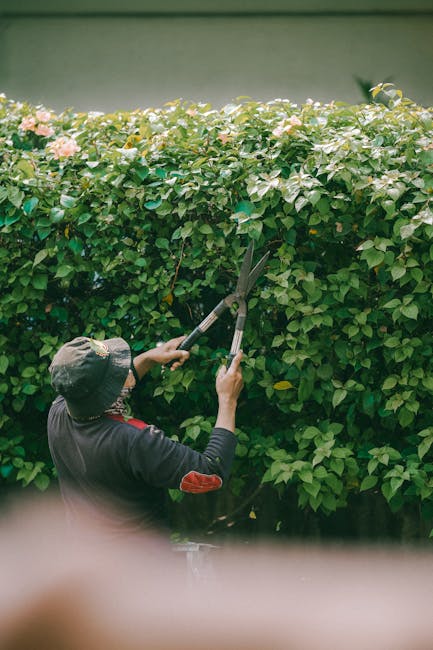
Acton gardeners pricing mistakes to avoid before hire

If you are comparing garden quotes in Acton, the cheapest number on the page can be strangely persuasive. We all like a tidy saving. But with garden work, the headline price often hides the bits that really matter: labour time, waste removal, access issues, equipment, and whether the job is being priced properly in the first place. This guide on Acton gardeners pricing mistakes to avoid before hire will help you spot the traps before you commit, so you can choose with confidence rather than guesswork.
Let's face it, a vague quote can feel fine right up until the work starts and the extras begin. That is exactly why understanding pricing is so useful. You will learn what should be included, what to question, and how to compare gardeners in a way that actually makes sense for a local Acton garden, whether you need light maintenance, a one-off clearance, hedge work, or something more involved.
Quick takeaway: the best quote is rarely the cheapest or the longest. It is the one that clearly explains scope, labour, materials, access, waste, and timing without leaving room for surprises.
Why Acton gardeners pricing mistakes to avoid before hire Matters
Garden pricing mistakes are not just annoying; they can change the whole experience of a job. A quote that looks fair at first can become expensive if it excludes disposal, underestimates labour, or assumes easy access that your property does not actually have. In a place like Acton, where gardens can range from compact terraces to larger family plots with awkward side access, those small assumptions matter a lot.
The most common issue is not that a gardener is trying to mislead you. Often, the quote is simply incomplete. The customer asks for "garden tidy-up", the gardener thinks "light pruning and mowing", and the reality is overgrown borders, heavy green waste, broken fence panels, and a lawn that has been neglected since spring. The price then changes. Not because anyone is being difficult, but because the original brief was too loose.
This matters for three reasons:
- Budget control: you need to know the likely total, not just the opening figure.
- Job quality: a too-cheap quote may cut corners or use rushed labour.
- Trust: clear pricing makes it easier to judge whether a gardener is organised and professional.
For bigger jobs, the stakes rise quickly. A garden clearance that starts without a proper scope can turn into a half-finished mess. A hedge trim priced on guesswork can leave you paying twice because the first quote was based on the wrong height or access. That is the sort of thing that leaves people muttering at the back gate, wondering where it went wrong.
If you want a better starting point, it helps to review a company's pricing and quotes guidance and broader services overview so you know how the work is usually framed before you compare numbers.
How Acton gardeners pricing mistakes to avoid before hire Works
Good garden pricing is usually built from a few basic ingredients: the type of service, the size of the area, the amount of labour, how long the job will take, whether specialist equipment is needed, and what happens to the waste afterwards. Sounds simple. In real life, not always.
Some gardeners quote a fixed price after a site visit or based on clear photos. Others may offer hourly rates, especially for maintenance tasks or flexible jobs. A few use hybrid pricing, where the core job is fixed but extras are listed separately. None of those approaches are wrong. The problem starts when the client does not know which model is being used.
That is where mistakes creep in. If you compare a fixed-price quote with an hourly estimate, you are not comparing like for like. If one quote includes waste removal and another does not, the cheaper one may not be cheaper at all. And if a gardener has not asked about access, parking, or whether waste bags can be left on-site, the estimate may be little more than an educated guess.
In practice, the pricing process often goes like this:
- You describe the garden and the work needed.
- The gardener asks a few questions or arranges a visit.
- A quote is issued with a scope of work.
- You review what is included, what is excluded, and whether anything could change the price.
- You accept only when the details are clear enough to avoid awkward surprises later.
That last step is the one many people skip. They should not.
Key Benefits and Practical Advantages
Taking the time to avoid pricing mistakes is not just about preventing overpaying. It also makes the whole job easier to manage from start to finish.
- Cleaner comparisons: you can judge which quote genuinely offers better value.
- Fewer disputes: agreed scope means fewer arguments about "I thought that was included".
- Better planning: you can schedule the work around family life, neighbours, parking, or access.
- More realistic budgets: useful for repeat maintenance and seasonal work alike.
- Higher confidence: you know the gardener has thought through the job properly.
There is also a quieter benefit that people often miss: pricing clarity helps you spot professionalism. A careful quote suggests a careful approach. It is not a guarantee, of course, but it is a strong sign. When a gardener can explain why hedge trimming costs what it costs, or why a clearance job needs more labour because of access, that usually tells you something useful about how they work.
For many homeowners, the biggest practical advantage is simple peace of mind. You do not want to be standing by the shed while someone explains that the quote did not include the pile of branches, the old compost bags, and the extra time needed because the mower could not get through the side path. Nobody enjoys that conversation at 4:30 on a wet Tuesday.
Who This Is For and When It Makes Sense
This guide is useful if you are:
- a homeowner wanting regular garden maintenance
- a landlord preparing a property for new tenants
- a tenant trying to get a neglected garden back into shape
- a family dealing with seasonal overgrowth
- someone booking one-off work such as hedge trimming or lawn mowing
- anyone comparing multiple Acton gardeners and unsure what a fair quote should include
It also makes sense if you are commissioning slightly more involved work, such as garden clearance, landscaping, landscape gardening, or decking-related improvements. As the job becomes more complex, pricing becomes less about "how much per hour?" and more about scope, time, access, and material handling.
Truth be told, this is especially helpful if you have not booked a gardener before. First-timers often focus on the final figure and miss the detail hidden behind it. The same applies if you have had a bad experience in the past and want to avoid a repeat. No shame in that. Plenty of people have been caught out once and then become very sharp readers of small print after that.
Step-by-Step Guidance
Here is a practical way to avoid the most common pricing mistakes before you hire.
1. Write down exactly what you want done
Be specific. "Tidy the garden" is too broad. Instead, list the tasks: mow lawn, remove weeds from borders, trim hedge, clear leaves, and take away waste. If you are unsure, take photos in daylight and make notes about what needs attention. A quick phone video can also help, especially if the garden has hidden corners or difficult access.
2. Separate essential work from optional extras
Not every job needs to happen at once. A border clean-up may be essential, while re-edging the lawn could wait. A gardener can price the core work more accurately when you identify what matters most. This is one of those small things that saves money without cutting quality.
3. Ask what the quote actually includes
Do not assume waste removal, tools, fuel, labour, plant disposal, or follow-up visits are included. Ask directly. If the quote says "garden clearance", does it include bagging, loading, and disposal? If it says "hedge trimming", does it include removal of cuttings and shaping the tops as well as the sides? Small difference, big price gap.
4. Check whether pricing is fixed or estimated
A fixed quote should stay fixed unless the scope changes. An estimate is more flexible and may go up if the job takes longer than expected. Neither is automatically better. The problem is not the format. The problem is when you think you have a fixed price and it is actually an estimate.
5. Compare like for like
Match services carefully. If one quote includes a full lawn cut and edge tidy, and another includes mowing only, the lower price may simply reflect less work. This is where a short checklist helps. Compare scope, waste, materials, time, access, and any extra charges.
6. Ask about access and site conditions
If the gardener needs to carry waste through the house, park far away, work through narrow gates, or navigate steep steps, the price may change. Fair enough. That is normal. But it should be discussed before the job begins, not after the invoice lands.
7. Get the final agreement in writing
A written quote or message trail protects both sides. It does not need to be formal or stiff. It just needs to be clear. Even a simple written summary can prevent a lot of back-and-forth later.
Expert Tips for Better Results
Here are the little habits that tend to make the biggest difference.
- Use photos taken in daylight. Evening shadows make a tidy border look like a jungle. Been there, seen that.
- Ask for task-based breakdowns. A clear breakdown helps you spot inflated labour or missing items.
- Be honest about the garden's condition. If the space has not been touched for months, say so. Hidden overgrowth changes the quote more often than people expect.
- Check whether the gardener offers maintenance or one-off work. A maintenance mindset and a clearance mindset are not always the same thing.
- Think seasonally. In spring and early summer, demand can rise and gardens grow fast. That can affect availability and timings.
If you are planning repeat visits, ask how a regular schedule is priced. A one-off rate may not be the best choice if the garden needs monthly attention. On the other hand, if your garden only needs occasional help, do not let anyone push you into a plan you do not need. Simple as that.
A slightly cheeky but true point: if a quote sounds too tidy to be real, it may be because it has not yet met your garden. Gardens love a surprise. Sheds, roots, old planters, random rubble, and the occasional forgotten chair all have a way of appearing at the worst moment.
Common Mistakes to Avoid
This is the section that saves most people the most money.
Choosing the cheapest quote without checking scope
A low quote can be good value. It can also mean less work, fewer inclusions, or a rushed finish. If the scope is thin, the saving is probably an illusion.
Not asking about waste removal
Cuttings, bags, soil, branches, and debris all have to go somewhere. If waste removal is not included, you may end up paying extra for a service you assumed was part of the job.
Forgetting to mention access problems
Narrow side passages, locked gates, shared entries, long carries, or awkward parking can all affect labour time. If the gardener only finds out on arrival, the quote may no longer fit the real job.
Assuming all gardeners price the same way
Some use hourly rates, some fixed fees, some site-specific estimates. The method matters because it changes how risk is shared between you and the gardener.
Ignoring seasonal timing
A quote requested during peak growing season may differ from one booked earlier in the year. Not always dramatically, but enough to affect availability and scope.
Not clarifying materials and consumables
If the job includes planting, new soil, bark, or basic materials, ask whether they are included. Even small add-ons can change the final total.
Skipping the written confirmation
Verbal agreements are easy to misunderstand. A short written quote avoids the usual "I thought you meant..." moment, which nobody enjoys.
The main pattern here is simple: rushed decisions create hidden costs. Slow down just enough to ask the right questions.
Tools, Resources and Recommendations
You do not need a toolbox full of specialist software to compare gardener pricing well. A few simple habits are usually enough.
- Phone camera: take clear photos of all areas needing work.
- Notes app or checklist: list tasks, priorities, and questions to ask.
- Measuring tape or rough measurements: useful for lawns, beds, and hedge runs.
- Calendar: keep track of when the work is needed and how urgent it is.
- Message history: save quote details so you can refer back to them later.
It can also help to review service pages before requesting a quote, especially if you are unsure how a task is normally framed. For example, if you need routine mowing, a look at lawn mowing services can help you understand what that service usually covers. If the garden needs broader upkeep, garden maintenance options are worth checking too.
For heavier jobs, the broader service pages are useful because they help you describe the work accurately. A garden that needs the removal of large waste loads may be closer to garden clearance than a simple tidy-up. Likewise, overgrown boundaries may sit more naturally under hedge trimming or, where trees are involved, tree lopping and removal.
And if your garden project is a bit more ambitious, it is worth reading the pages on landscaping and landscape gardening so your quote request matches the level of work you actually need.
Law, Compliance, Standards, or Best Practice
For most garden work, the key issue is not a dramatic legal point; it is whether the service is carried out safely, fairly, and in line with accepted UK business practice. That means clear pricing, honest descriptions of work, reasonable care on-site, and proper handling of waste and equipment.
If a job includes larger trees, lifting heavy materials, using power tools, or working near boundaries and access points, it is sensible to ask about insurance and safety arrangements. You want to know the business takes the work seriously. A gardener should be able to explain how they manage risk without sounding vague or defensive.
It is also sensible to review the company's public information on insurance and safety, health and safety policy, and payment and security. Those pages are not there for decoration. They help you understand how the business handles responsibility, payment, and customer protection. If you care about sustainability, recycling and sustainability can also tell you how green waste and materials are managed.
For clarity around customer expectations, it is worth reading the terms and conditions too. That is where service boundaries, payment expectations, and general rules are usually explained in plain English, or close enough. Not glamorous, but helpful.
Options, Methods, or Comparison Table
Here is a simple comparison of the most common pricing approaches you may encounter.
| Pricing method | How it works | Best for | Main risk |
|---|---|---|---|
| Fixed quote | A set price for agreed tasks | Clear, well-defined jobs | Extras may be added if scope changes |
| Hourly rate | You pay for time spent on site | Unpredictable or open-ended work | Total cost can rise if the job is more complex than expected |
| Site-based estimate | Price is based on an initial assessment | Gardens with mixed conditions or access issues | The final amount may shift if assumptions were incomplete |
| Task bundle | Several jobs grouped into one price | Seasonal tidy-ups or maintenance visits | Harder to compare unless the bundle is fully broken down |
For most homeowners, a fixed quote with a clear scope is easiest to manage. For larger or less predictable work, a well-explained estimate can still be perfectly fair. The real issue is transparency. You need enough detail to know what you are buying.
Case Study or Real-World Example
Picture a fairly typical Acton garden in late summer. The lawn is patchy but recoverable, the hedge has crept over the fence line, and the borders are full of weeds after a few busy months. The homeowner asks for "a full tidy-up" and gets two quotes.
The first quote is lower. It says little more than "garden tidy". No mention of waste removal. No detail on hedge height. No note about access through a narrow side path. It sounds cheap, which is nice, until you realise it may only cover a light cut and a brief sweep.
The second quote costs more, but it lists mowing, hedge trimming, weeding of main beds, green waste collection, and a clear estimate of labour time. It also notes that if hidden waste is uncovered, the gardener will confirm any extra work before carrying on. That is the quote most people would choose once they think about it properly.
In real life, the second quote often works out better value. Why? Because the price matches the job, and the job gets finished without awkward add-ons. The customer knows what is being done, the gardener knows what to expect, and the garden ends up looking cared for rather than half-improved. You can almost hear the difference when the work is done: no frustrated sighs, no "we'll have to come back", just the quiet, satisfying sound of a job completed well.
Practical Checklist
Use this before you accept any quote.
- Have I described the work clearly and honestly?
- Do I know whether the price is fixed or estimated?
- Does the quote include labour, waste removal, and materials if relevant?
- Have I mentioned access, parking, gates, and any obstacles?
- Am I comparing the same scope across all quotes?
- Have I checked whether follow-up visits or extras could change the price?
- Is the quote written down and easy to refer back to?
- Do I understand the payment terms and any conditions?
- Have I considered whether this is one-off work or recurring maintenance?
- Does the gardener seem clear, responsive, and straightforward?
If you can tick most of those off, you are in a much stronger position. Not perfect, maybe. But much stronger.
Conclusion
Hiring a gardener should make life easier, not more complicated. The best way to avoid pricing mistakes is to slow the process down just enough to ask better questions. Be specific about the work, compare quotes carefully, and make sure you know what is included before anyone starts lifting a spade.
When you do that, the whole decision becomes clearer. You are no longer guessing whether one gardener is cheaper than another. You are judging real value, real scope, and real professionalism. That is a much better place to be, especially if you want a garden that actually feels looked after rather than merely "done".
If you are ready to compare your options, review the service and pricing information first, then request a clear written quote. A little care now usually saves a lot of hassle later. And honestly, that is time well spent.
Get a free quote today and see how much you can save.
Frequently Asked Questions
What are the most common pricing mistakes when hiring a gardener in Acton?
The most common mistakes are accepting a quote without checking what is included, comparing unlike services, forgetting to mention access problems, and not confirming whether waste removal is part of the price.
Should I choose the cheapest gardener quote?
Not automatically. Cheapest can be fine if the scope is identical and the quote is clear, but a low price often means less work, missing extras, or a higher chance of add-on charges later.
Is a fixed price better than an hourly rate?
It depends on the job. Fixed prices are usually easier for clear, defined tasks. Hourly rates can suit unpredictable jobs, but you should ask for an estimate of total time so you are not left guessing.
What should be included in a garden quote?
A good quote should explain the tasks, labour, waste removal, materials if relevant, access assumptions, and any possible extras. If the job is large, it should also say how changes will be handled.
Do gardeners usually charge extra for waste removal?
Often, yes, especially for garden clearance or heavy pruning. Sometimes it is included, sometimes it is not. That is why you should always ask rather than assume.
How can I compare two gardener quotes properly?
Check the scope of work line by line. Make sure each quote covers the same tasks, the same waste handling, and the same assumptions about access and timing.
What if my garden is overgrown and I am not sure how to describe it?
Take photos in daylight and list the obvious tasks. If you can, mention the worst areas first. A clear photo set is often better than a vague description, to be fair.
Do I need a written quote?
Yes, ideally. A written quote or message summary helps avoid misunderstandings and gives both sides something to refer back to if questions come up later.
Can access issues affect the price?
Absolutely. Narrow side passages, limited parking, shared entrances, long carries, or awkward steps can all increase labour time and affect the quote.
When is the best time to request garden maintenance pricing?
As early as you can, especially before busy growing periods. If you wait until everything has become overgrown, the scope can widen and the price may rise.
How do I know if a quote is fair?
A fair quote should be clear, specific, and realistic for the amount of work involved. If it sounds too vague to explain itself, that is usually a warning sign.
What if the gardener finds more work once they start?
That can happen, especially on clearance or neglected gardens. A good gardener should pause, explain the extra work, and get agreement before going ahead with anything that changes the price.
Are garden maintenance and garden clearance priced the same way?
Usually not. Maintenance is often smaller and repeat-based, while clearance is heavier, more labour-intensive, and more likely to involve waste removal and larger time blocks.
Should I ask about insurance before hiring?
Yes. It is sensible to check that the gardener has suitable insurance and follows safe working practices, especially for jobs involving tools, ladders, large waste loads, or trees.