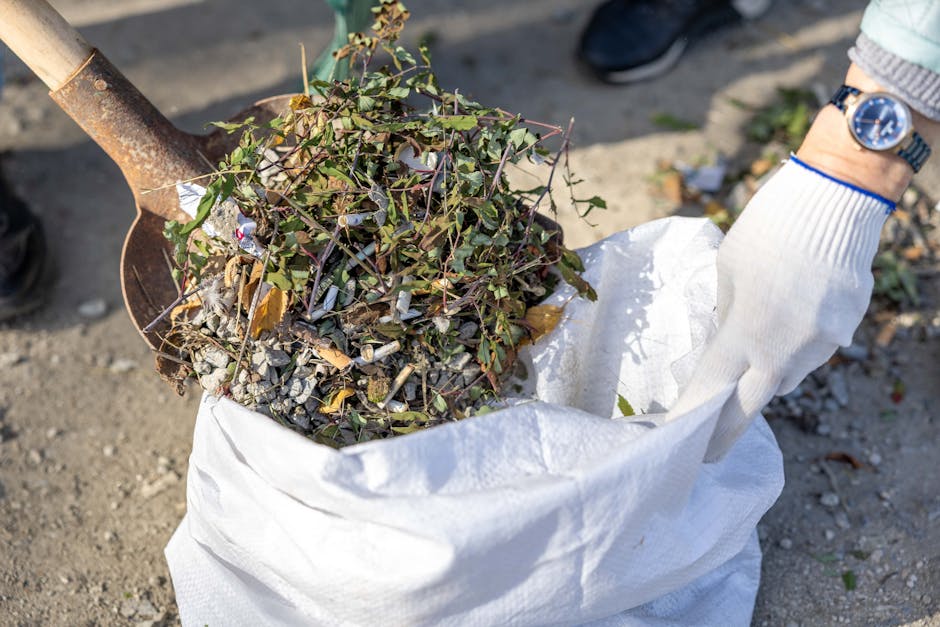
Ealing Council rules for garden waste and gardening jobs: what residents and gardeners need to know
If you are planning a tidy-up, hedge cut, clearance, or a full garden refresh, the rules around garden waste can feel oddly fiddly. The good news is that the Ealing Council rules for garden waste and gardening jobs are manageable once you understand the basics: what counts as garden waste, how it should be handled, and when a gardener or clearance team needs to take extra care. In practical terms, this matters whether you are a homeowner, landlord, tenant, or a local gardener trying to do things properly without creating a mess, a complaint, or an avoidable collection problem.
Below, you will find a clear guide to the main issues, the common mistakes people make, and the sensible way to plan garden work so it stays neat, compliant, and efficient. Let's face it, nobody wants a pile of damp grass cuttings sitting by the gate on a wet Tuesday afternoon.
Why Ealing Council rules for garden waste and gardening jobs matters
Garden work creates more than a few black sacks of clippings. There are hedge trimmings, lawn cuttings, weeds, branches, soil, old pots, broken canes, and sometimes the odd surprise item that has been hiding under a shrub for years. The reason the rules matter is simple: different materials are handled differently, and getting that wrong can delay collection, create unnecessary costs, or leave waste stranded on the pavement.
In Ealing, as in most London boroughs, the council's approach is aimed at keeping streets tidy, reducing contamination in recycling streams, and making sure waste is managed safely. For residents, that means you need to think about separation, presentation, timing, and who is responsible for removal. For gardeners, it means a job is not really finished until the waste is dealt with properly.
A small example. A front garden cutback may look like a quick one-hour job, but if the team has to bag damp grass, split woody waste from green waste, and load everything in a sensible way, the real job takes longer. That is not a problem. It is just part of doing it properly. And that little bit of planning saves hassle later.
Practical takeaway: the less mixed-up the waste is, the easier it is to dispose of, recycle, or arrange for collection without issues.
How Ealing Council rules for garden waste and gardening jobs works
The basic idea is straightforward: garden waste from routine maintenance should be kept separate from general household rubbish wherever possible, and any contractor working on your garden should leave the site clean and safe. Garden waste usually includes organic material such as grass cuttings, leaves, hedge trimmings, plants, weeds, and small branches. It may also include the unavoidable debris that comes from outdoor work, like twine or light packaging, but these should not be mixed in with the green waste stream unless they can be properly handled.
What tends to cause confusion is the line between garden waste and other waste types. Soil, rubble, timber, fencing, broken slabs, treated wood, or non-organic materials are often treated differently. Old compost bags, damaged plant tubs, and bits of plastic netting are another common trip-up. If a gardening job includes clearance, pruning, or soft landscaping, it is worth sorting these items before they are bagged or loaded.
Most residents will deal with garden waste in one of three ways:
- using the council's permitted collection route, where available and suitable
- taking waste to an authorised disposal point or reuse route
- using a professional garden clearance or maintenance service to remove and sort it for you
The last option is often the easiest after a bigger job. For example, if you have had a hedge reduction, a lawn renovation, and a full border tidy in the same week, it is more efficient to get one team to handle the aftercare. That is exactly where a service such as garden clearance can save time, especially when the waste has become bulky or awkward.
There is also a practical side to how garden jobs are organised. A routine mow is one thing. A large seasonal cutback is another. If the work includes a lot of cut material, plan for where it will sit temporarily, how it will be carried out, and whether weather could make it heavier and more difficult to move. A bag of dry clippings is manageable; a bag of soaked ivy after a night of rain is a different beast altogether.
Key benefits and practical advantages
Following the right process is not just about avoiding problems. It actually makes garden work smoother and more cost-effective. Here are the main benefits people notice.
- Cleaner kerb appeal: a tidy loading and removal process leaves the property looking cared for, not half-finished.
- Less risk of rejection: correctly sorted waste is less likely to cause collection or disposal issues.
- Better recycling outcomes: green waste can often be handled more responsibly when it is not contaminated with mixed rubbish.
- Safer working conditions: fewer hidden hazards mean fewer injuries, trips, and spills.
- More accurate quotes: if a gardener knows the waste volume and type in advance, pricing is usually clearer.
There is also a quieter benefit that people sometimes overlook: peace of mind. When you know the waste has been dealt with properly, you are not left wondering whether a bag will split on the pavement, whether your neighbour will complain, or whether the job will need redoing. That calm feeling is worth a fair bit, truth be told.
For households that want regular upkeep rather than one-off clearances, combining routine work with a garden maintenance plan is often the simplest route. It reduces build-up, keeps waste volumes smaller, and usually means fewer surprises at the end of the month.
Who this is for and when it makes sense
This topic matters to a lot of different people, and not just homeowners with overgrown hedges.
- Homeowners who want to clear up after seasonal growth, storms, or a long neglected period.
- Tenants who are responsible for keeping a small garden in a tidy condition.
- Landlords and agents preparing a property between lets.
- Gardeners and landscapers who need to complete jobs cleanly and professionally.
- Businesses or communal property managers dealing with small external green areas.
It makes most sense to think about the rules before the work starts, not after the wheelbarrow is already full. If a job is simply lawn mowing, you may only have light clippings. If it is hedge trimming, pruning, or a garden overhaul, the waste picture changes quickly. That is also the point at which it may be better to combine tasks. For instance, hedge reduction and boundary tidy-up often pair well with hedge trimming and a separate waste removal plan.
A realistic scenario: a rear garden has waist-high grass, invasive weeds, and a few shrubs that need shaping. It looks like one job on paper, but in practice it can become several small jobs with different waste streams. That is where a good brief saves the day.
Step-by-step guidance
If you want to stay on the right side of the rules and keep the job efficient, this is the simplest way to approach it.
- Identify the waste before you start. Decide what is green waste, what is mixed waste, and what may need separate handling.
- Split the job into stages. Prune, mow, clear, and load in a logical order instead of lumping everything together.
- Keep recyclable organic material separate. Grass, leaves, soft cuttings, and small branches should not be mixed with rubble or plastics.
- Bag or stack sensibly. Use sturdy bags or bundles that can be lifted safely. Overfilled bags are a classic headache.
- Check access. Can a collection vehicle, van, or barrow get to the gate without blocking neighbours or damaging surfaces?
- Schedule removal promptly. Wet weather and overlong storage make waste heavier, smellier, and harder to manage.
- Confirm the end state. The garden should be left neat, safe, and free from loose debris.
One simple rule helps a lot: if you would not want it tipped straight into a green waste load, do not mix it in. That sounds obvious, but in real life people do it all the time.
For larger jobs, a professional team may also combine clearance with broader improvements such as landscape gardening or lighter structural upgrades. If hard landscaping or new features are involved, it is sensible to think about the waste picture early, not as an afterthought once the digging starts.
Expert tips for better results
Experienced gardeners usually work in a rhythm that reduces waste trouble before it starts. Here are a few habits worth copying.
- Cut from the top down: in hedge and shrub work, removing bulk gradually prevents sudden overloads.
- Lay tarpaulins or sheets where needed: they keep piles tidy and make loading much easier.
- Work dry when possible: green waste is far lighter and easier to handle when it has not soaked up rain.
- Separate woody and soft material early: it makes disposal or processing more straightforward.
- Do a final sweep: leaves, twigs, and soil on paths are what people notice first.
Another useful tip is to look at the job in relation to the season. Spring and early summer often bring soft growth and lawn clippings. Late autumn creates leaf fall and a lot more bulky organic waste. Winter pruning can produce woody offcuts that take up more space than you expect. The garden does not really care what your schedule says.
If you are planning repeat work, a regular mow-and-clear arrangement via lawn mowing can keep the waste volume manageable. Smaller jobs are almost always easier to keep compliant than giant catch-up sessions.
Common mistakes to avoid
Most problems come from a short list of avoidable errors. You do not need to be a waste expert to sidestep them.
- Mixing garden waste with general rubbish. This is one of the fastest ways to create disposal issues.
- Leaving waste bags out too early or too late. Timing matters for collections and for neighbour relations.
- Overloading bags or bins. They split, tear, and become awkward to lift.
- Forgetting about soil, roots, or broken materials. These often need a separate plan.
- Assuming all gardeners handle disposal the same way. They do not. Always ask.
- Ignoring access routes. A narrow side gate, low fence, or shared driveway can change everything.
There is also the classic mistake of leaving the hardest bit until the end. You know the one. The hedge is cut, the lawn is tidy, the patio is swept, and then the pile of clippings is still there looking at you. Better to build removal into the job from the start.
If tree work is involved, especially larger branches or awkward cuttings, it is often worth treating that as a separate task. Professional tree lopping and removal services are usually a better fit for that kind of work than a general tidy-up. It helps reduce confusion and keeps safety front and centre.
Tools, resources and recommendations
You do not need an elaborate toolkit, but the right basics make the process much easier.
- Heavy-duty rubble or garden waste sacks for clippings and mixed light material
- Rake and leaf collector for quick clean-up after cutting
- Wheelbarrow or strong garden trolley for moving waste without repeated lifting
- Tarpaulin for stacking branches or protecting paths
- Gloves and sturdy footwear because thorns, splinters, and wet ground are not polite
- Secateurs, loppers, and a hedge trimmer for controlled cutting rather than brute force
From a service point of view, a good gardening provider should be able to explain what is included, how waste is sorted, and what happens if the job produces more material than expected. If you are comparing options, start by reviewing the scope of work and the service standards on the services overview page, then look at how the team approaches disposal, safety, and follow-up.
For customers who want transparency around costs and job planning, the pricing and quotes information can help set expectations before anyone lifts a spade. That sort of clarity is underrated.
Law, compliance, standards, or best practice
Without getting lost in legal jargon, the sensible approach is to treat garden waste as a controlled part of the job rather than an afterthought. The exact council arrangements can change, so residents should always check the current local requirements before putting anything out for collection. If a property sits near a shared boundary, communal path, or parking bay, it is especially important not to block access or create a hazard.
For professional gardeners, the expectations are broader. Safe lifting, clean loading, careful segregation of materials, and responsible disposal are all part of normal good practice. If a job involves heavier items, tools, or potentially awkward loads, health and safety matters too. A provider should be able to explain how they manage risk, especially where there are sharp branches, slippery surfaces, or heavy clearance work. You can see how a responsible business frames that approach on the health and safety policy and insurance and safety pages.
There is also a wider environmental angle. Sorting green waste properly, avoiding unnecessary landfill, and reusing or recycling where possible all fit with the idea of working more sustainably. That is why good disposal habits and recycling and sustainability thinking tend to go hand in hand. Not glamorous, perhaps. But very sensible.
Options, methods, or comparison table
Choosing the right approach depends on the size of the job, the type of waste, and how much time you want to spend handling it yourself. Here is a practical comparison.
| Option | Best for | Pros | Watch-outs |
|---|---|---|---|
| DIY bagging and collection prep | Small tidy-ups and light pruning | Low cost, flexible, simple for minor jobs | Time-consuming, easy to overfill bags, access still matters |
| Council-led route where suitable | Routine garden waste that fits local collection rules | Convenient, familiar, often cost-effective | Timing, contamination, and presentation rules can be strict |
| Professional garden clearance | Bulky waste, overgrown gardens, mixed material | Fast, tidy, less physical effort for the homeowner | May cost more, so scope needs to be clear |
| Ongoing maintenance plan | People who want a neat garden all year | Prevents waste build-up, easier to manage over time | Requires consistency and regular scheduling |
In practice, many households use a mix of these. A quick mow might be DIY, but the seasonal hedge cut and clearance may be better handed over. There is no prize for doing every single bit yourself.
Case study or real-world example
Imagine a semi-detached house with a medium front garden and a larger back garden that has been left to grow for most of the summer. The homeowner wants the place ready for visitors in a week. The job includes mowing, trimming shrubs, removing ivy from a fence line, and clearing a small pile of old pots and broken canes.
A rushed approach would be to cut everything, dump it all together, and worry about the rest later. That sounds efficient right up until the bags split, the roots and plastic get mixed into the green waste, and the whole pile becomes awkward to move.
A better plan looks like this:
- grass and soft clippings are collected separately
- woody cuttings are bundled for easier loading
- old pots, twine, and broken garden items are set aside
- the garden is cleared in stages, not all at once
- paths and entrances are swept before the team leaves
The result is not just a tidier garden. It is a cleaner exit, a lower chance of disposal problems, and a much calmer homeowner. No drama, no mystery piles, no "we'll sort that out tomorrow" energy. If the job also needs more regular care after the first clearance, a follow-up plan with garden maintenance is usually the most practical next step.
Practical checklist
Use this quick checklist before any gardening job in Ealing that will produce waste.
- Have I identified the waste type correctly?
- Are green waste, soil, plastics, and broken items separated?
- Do I know how the waste will leave the property?
- Are bags, bins, or bundles strong enough for the load?
- Is access clear for carrying items out safely?
- Have I planned for wet weather or heavy material?
- Will the work leave paths, drives, and entrances clean?
- Do I need a professional clearance or maintenance service?
- Have I checked the provider's safety and insurance approach?
- Is the job quoted clearly, including waste handling where relevant?
If you can answer yes to most of those, you are in pretty good shape.
Conclusion
The Ealing Council rules for garden waste and gardening jobs are really about common sense done properly: keep waste separated, handle it safely, plan for access, and make sure the garden is left tidy. Whether you are doing a quick cutback or a full seasonal overhaul, the same principle applies. Good preparation saves time, reduces mess, and prevents unnecessary headaches.
If you want the job handled with less stress and a cleaner finish, it helps to work with a team that understands both gardening and waste handling. A well-managed garden job should feel smooth, not chaotic. And when it is done right, you notice the difference immediately. The space looks lighter, calmer, easier to enjoy.
Get a free quote today and see how much you can save.
If you are weighing up regular upkeep against a one-off clear-out, the team information on about us can help you understand how the service is run, and the contact us page is there when you are ready to talk through the job. A tidy garden has a way of making everything else feel a bit more manageable.
Frequently Asked Questions
What counts as garden waste in Ealing?
Garden waste usually includes grass cuttings, leaves, weeds, hedge trimmings, plant material, and small branches. Items like soil, rubble, plastic pots, and old timber may need separate handling.
Can I put garden waste out with my normal rubbish?
Usually, no. Garden waste should be kept separate from general household rubbish so it can be handled correctly and does not contaminate other waste streams.
Do gardeners take the waste away after the job?
Many do, but not all. Always check in advance whether waste removal is included, how it is sorted, and whether the quote covers disposal.
Is hedge cutting treated differently from lawn mowing?
Yes, in practical terms it often is. Lawn mowing usually creates light clippings, while hedge work can produce bulkier, woodier material that takes more space and may need more careful loading.
What should I do with soil or turf?
Soil and turf are often handled differently from green cuttings because they are heavier and more difficult to process. Ask how they will be removed before you start digging.
How can I avoid extra charges for garden waste removal?
The best way is to describe the job clearly, separate waste types, and give a realistic estimate of volume. Surprises at the end usually cost more than careful planning at the start.
What happens if my garden waste is mixed with plastic or rubble?
It may need to be sorted again or treated as mixed waste, which is more awkward and can be more expensive. Keeping materials separate from the outset is much easier.
Do I need a professional for a small garden tidy-up?
Not always. Small jobs can often be managed yourself. But if the garden is overgrown, access is tight, or the waste is bulky, a professional service can be worth it.
How often should garden maintenance be booked to keep waste under control?
That depends on the size of the garden and how fast it grows, but regular maintenance usually prevents waste from building up into a bigger, more tiring job later on.
What is the safest way to move large amounts of cuttings?
Use smaller loads, strong bags, gloves, and a wheelbarrow or trolley where possible. Avoid overfilling and take care on wet paths, as they can be slippery.
Are there special rules for tree branches and larger cuttings?
Often, yes in practice. Larger branches and tree work can create safety and handling issues, so they are usually better managed as a separate task or via a specialist service.
Where can I find help if I want both clearance and ongoing upkeep?
It is sensible to look at a provider's services overview and then decide whether you need a one-off clearance, regular care, or a mix of both. That way the plan matches the garden instead of forcing the garden to fit the plan.