West Acton gardeners for small yards and roof gardens
If you have a compact outdoor space in West Acton, you already know the truth: every square metre has a job to do. A tiny courtyard can feel cluttered in a week, and a roof garden can look brilliant one day and stressed the next if drainage, wind exposure, or weight limits are ignored. That is exactly why West Acton gardeners for small yards and roof gardens are such a useful local resource. They understand the squeeze, the awkward corners, the sun-trap spots, and the practical reality of keeping a garden attractive without making it feel busy.
This guide walks through how small-yard and roof-garden gardening works, what to prioritise, where people usually go wrong, and how to make sensible choices that last. If you are weighing up maintenance, redesign, or a one-off tidy-up, you will find the details here useful, not just pretty ideas.
Table of Contents
- Why West Acton gardeners for small yards and roof gardens Matters
- How West Acton gardeners for small yards and roof gardens Works
- Key Benefits and Practical Advantages
- Who This Is For and When It Makes Sense
- Step-by-Step Guidance
- Expert Tips for Better Results
- Common Mistakes to Avoid
- Tools, Resources and Recommendations
- Law, Compliance, Standards, or Best Practice
- Options, Methods, or Comparison Table
- Case Study or Real-World Example
- Practical Checklist
- Conclusion
- Frequently Asked Questions
Why West Acton gardeners for small yards and roof gardens Matters
Small gardens are not "easy gardens". That is the first thing people learn, usually after buying a few plants, placing them all in one corner, and wondering why the space still feels unfinished. In a compact yard or roof garden, design mistakes show quickly. A hedge that grows too wide can steal light. A heavy planter can make a rooftop feel crowded. One bad drainage decision can create soggy patches or stained paving. It all matters more because there is nowhere to hide.
West Acton brings a particular mix of properties: terraced homes, flats, compact rear gardens, and upper-level outdoor spaces that need a careful hand. Local gardeners who understand these settings can work with the space rather than against it. That means choosing planting that suits partial shade, using structure to create calm, and planning maintenance so it stays manageable month after month.
To be fair, most people do not want a "show garden" in the traditional sense. They want something usable. A place for morning coffee, a few pots that still look good in February, maybe a bit of privacy from neighbouring windows. That is the real goal. And it is very achievable when the design is thoughtful.
For broader support across garden upkeep and seasonal care, it can also help to look at garden maintenance services and the wider services overview, especially if your space needs more than a quick tidy.
How West Acton gardeners for small yards and roof gardens Works
The work usually starts with a practical assessment. Not a dreamy mood board. A proper look at sunlight, access, existing surfaces, drainage, and how you actually use the space. A small yard and a roof garden behave differently, so the plan has to respect that. A yard may need softening and better circulation. A roof garden may need lighter planting, wind tolerance, and extra care around waterproof membranes and load-bearing limits.
From there, gardeners typically break the space into functions. For example:
- a seating area that does not block movement
- planting that gives height without swallowing the garden
- storage or screening that reduces visual clutter
- simple maintenance routines so the space does not become a weekend burden
In roof gardens, the process is a little more exacting. Containers need to be stable. Watering must be easier than you think, because wind dries things out fast. And the garden should be designed around safe access for routine care. Nobody wants to clamber around a slippery roof deck with a heavy watering can and a trailing hose. Let's face it, that's how accidents happen.
Many good results come from combining planting with practical hard landscaping. A neat paved section, a raised bed, or a timber feature can make a tiny garden feel intentional. If that is part of the plan, the team may also discuss landscaping or, where timber features are appropriate, decking services.
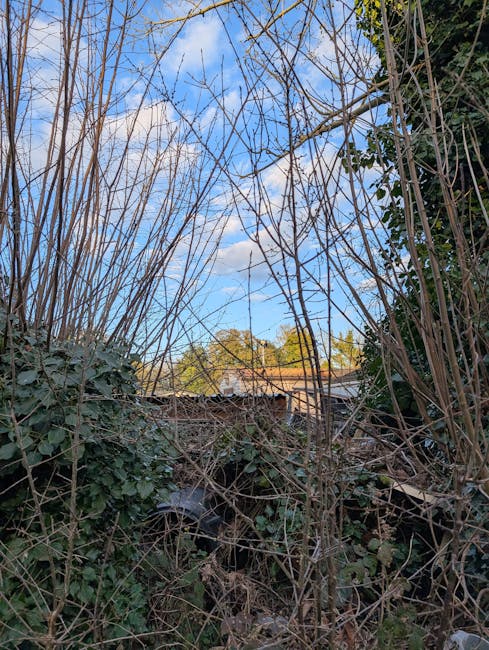
For overgrown areas, access issues, or a space that has become difficult to use at all, a first pass of garden clearance can make the rest of the project much easier.
Key Benefits and Practical Advantages
The best small-yard and roof-garden work does more than look nice in photos. It makes the space easier to live with. That is the real value. Here are the practical wins people usually notice first.
- More usable space: careful layout stops the garden feeling cramped.
- Better light and flow: smart planting and structure keep the space airy.
- Lower maintenance stress: the right plant mix reduces weekly hassle.
- Improved privacy: screening can soften overlooked areas without making the garden feel boxed in.
- Seasonal interest: even a tiny garden can look alive across the year, not just in summer.
- Safer roof use: thoughtful planning reduces clutter and minimises avoidable risk.
There is also a psychological benefit people sometimes underestimate. A compact outdoor space that feels calm can genuinely change how you use the home. You step outside, hear the city noise soften a little, smell damp soil or herbs after rain, and suddenly the garden is not "too small" anymore. It is yours. That matters.
If you want the space to stay tidy rather than slowly unravel, routine support such as lawn mowing or ongoing hedge trimming can make a huge difference, especially when the planting is tight and every edge is visible.
Who This Is For and When It Makes Sense
This kind of gardening is a strong fit if your outdoor space has one or more of the following traits:
- it is small, narrow, or awkwardly shaped
- you have a flat roof, terrace, balcony-style roof garden, or elevated outdoor deck
- the garden feels cluttered even when it is not full
- you want a low-maintenance scheme, not a high-demand planting bed
- you need better privacy from neighbouring windows or nearby buildings
- you have inherited a space that needs tidying, reshaping, or replanting
It also makes sense if you are planning to sell, rent, or simply improve day-to-day enjoyment. A neat, functional outdoor area can make a property feel more complete. Not bigger, exactly. Better. There is a difference.
For some households, the right first step is a maintenance refresh. For others, it is a more involved redesign through landscape gardening or broader landscaping. The choice depends on whether the space mostly needs care, structure, or a fresh start.
If the garden has become a bit of a catch-all for old pots, broken chairs, and "we'll deal with that later" items, you may find it helpful to start with garden clearance. It is rarely glamorous. It is very useful, though.
Step-by-Step Guidance
Below is a sensible way to approach a small yard or roof garden without wasting time or money.
- Assess the space honestly. Measure it. Check light levels at different times of day. Notice where water sits after rain. On a rooftop, note wind exposure and access routes.
- Decide the main purpose. Do you want seating, planting, family use, privacy, or all four? In a small space, priorities matter. You cannot make everything the hero.
- Clear out what does not earn its place. Remove dead plants, damaged containers, and bulky items that block movement. This can transform the feel of the area almost immediately.
- Choose a simple structure. Use one or two materials consistently. Too many finishes make a small garden look busy, and not in a good way.
- Pick plants for conditions, not wishful thinking. A beautiful plant that hates wind, dry soil, or shade will become a problem. Choose species that suit the site.
- Plan access for maintenance. If you cannot reach a planter easily, you probably will not keep up with it. That sounds obvious, but people forget.
- Build in seasonal refresh points. Small gardens benefit from small updates: pruning, deadheading, replacing tired annuals, cleaning surfaces, checking drainage.
- Review after a few weeks. A good design is often adjusted once you actually live with it. The first layout is not sacred.
A practical example: a roof garden with a south-facing aspect may need shade relief in summer, but the same garden may be glorious in spring. So the plan should balance sun-loving and tougher plants, rather than trying to force a single style across all seasons. That little bit of flexibility saves a lot of disappointment later.
Expert Tips for Better Results
Small spaces reward restraint. That is probably the biggest expert lesson here. The more compact the area, the more valuable consistency becomes.
- Use repetition. Two or three repeating plant forms feel calmer than lots of one-off choices.
- Go vertical with care. Trellises, slim screening, and climbing plants can add height without taking up ground space.
- Keep containers in proportion. A huge pot can be useful, but too many oversized pots will eat the space alive.
- Prefer durable surfaces. Roof gardens and small yards are used close-up, so cheap finishes show wear quickly.
- Think about sightlines. In a tiny garden, what you see from the back door matters as much as what you see when you stand inside it.
- Choose lighter planting near rooftops. That keeps the design manageable and more practical to maintain.
Here is a simple rule of thumb: if a feature makes the garden harder to clean, water, or move through, question it. Pretty, yes. Practical, also yes. If it cannot be both, it usually does not deserve space in a small garden.
Ongoing maintenance keeps the whole thing from drifting. For many homes, regular garden maintenance is what turns a decent setup into a genuinely enjoyable one.
Common Mistakes to Avoid
Some mistakes are so common in small-yard and roof-garden work that you can almost predict them. Here are the ones worth avoiding.
- Overcrowding the planting: buying too many plants because the space feels empty at first. It fills in. More than you think.
- Ignoring weight and access on rooftops: heavy planters, awkward access, and poor maintenance routes create avoidable problems.
- Choosing plants for appearance only: a glossy-leafed beauty that hates your site will soon look tired.
- Creating too many tiny zones: small gardens need simplicity, not miniature versions of every outdoor room in the catalogue.
- Forgetting drainage: especially on roof gardens, water management is not a side issue. It is central.
- Letting edges get messy: in compact spaces, untidy edges make the whole garden look half-finished.
One of the quieter mistakes is assuming the garden will be "low maintenance" just because it is small. Not always. Sometimes a tiny garden with fussy planting and awkward access is more demanding than a larger one. Truth be told, the size of the garden and the amount of work it needs are not always friends.
Tools, Resources and Recommendations
You do not need a huge kit to care for a compact garden, but the right tools make life easier. For small yards and roof gardens, practical equipment usually matters more than fancy gear.
- Lightweight hand tools: secateurs, trowels, and a small hand fork are usually enough for most container planting.
- Good watering equipment: a watering can or compact hose setup works well where access is tight.
- Quality containers: choose pots with proper drainage and enough depth for root development.
- Plant supports and ties: useful for climbers and taller perennials in windy positions.
- Simple edging materials: help define spaces without visually cluttering them.
On the service side, some projects call for specialist support. A roof garden with overgrown shrubs may need careful handling, and if tree growth is affecting light or safety, tree lopping and removal may be part of the solution, depending on the situation and access.
If you are deciding how to start, the services overview is a useful place to compare options, while pricing and quotes can help set expectations before work begins.
For customers who want to understand the company background before booking, the about us page is also worth a look. It is always sensible to know who is looking after your home space.
Law, Compliance, Standards, or Best Practice
With roof gardens, best practice matters more than people sometimes realise. You are dealing with height, access, waterproof surfaces, and often a shared building environment. That means safe working and sensible planning are essential.
Without pretending to give legal advice, a few general UK good-practice principles are worth keeping in mind:
- Check load limits and structural suitability before adding heavy planters, soil, water features, or paving.
- Protect waterproofing layers during installation and maintenance.
- Keep access safe and clear so routine care does not create trip hazards.
- Use contractors with proper insurance and safety procedures where work could involve height, lifting, cutting, or powered tools.
- Dispose of waste responsibly and avoid unsafe dumping of soil, green waste, or broken materials.
It is also sensible to ask how a company handles safety and environmental responsibility. For example, reviewing insurance and safety and recycling and sustainability can give you a better sense of how work is managed behind the scenes.
And yes, if you want the boring-but-important part, the policy pages such as health and safety policy, terms and conditions, and payment and security help set expectations clearly. Not exciting. Still useful.
Options, Methods, or Comparison Table
Different spaces need different approaches. Here is a simple comparison to help you decide what suits your garden best.
| Approach | Best for | Strengths | Watch-outs |
|---|---|---|---|
| Maintenance-first | Small gardens that already have a basic structure | Quick to improve, lower disruption, keeps costs focused | May not solve deeper layout problems |
| Planting refresh | Tired beds, containers, or rooftop planters | Fast visual lift, good for seasonal interest | Needs good plant selection and regular care |
| Landscape redesign | Awkward, underused, or cluttered spaces | Solves flow, structure, and usability issues | More planning time and usually more disruption |
| Roof-garden specialist layout | Upper-level terraces and flat-roof environments | Balances safety, weight, drainage, and style | Must be handled carefully; not every feature suits every roof |
If your space is very simple, maintenance-first may be enough. If the garden is awkward or visually messy, redesign could be the smarter long-term call. In real life, many projects end up somewhere in the middle. That is normal.
Case Study or Real-World Example
Imagine a West Acton homeowner with a narrow rear yard and a small roof terrace above a flat extension. The yard feels dark, with a few tired pots and a patchy seating area. The rooftop has lovely afternoon light, but it is windy and cluttered with mixed containers collected over the years.
The practical approach would likely be split into two parts. First, clear out the yard enough to create breathing room. Then, keep the planting palette restrained: a few shade-tolerant plants for the yard, a cleaner surface, and a small seating spot that does not block movement. On the roof terrace, use lighter containers, wind-resilient planting, and enough spacing to avoid that cramped, crowded look.
The result is not about packing in more. It is about making the spaces feel intentional. A homeowner could go from "we barely use it" to "we sit out there with tea after work" without needing a huge transformation. That shift is often smaller than people expect, but very noticeable. You open the door and the space finally feels ready for you.
Practical Checklist
Use this checklist before you begin or before you ask for help.
- Measure the space and note awkward corners
- Check sun, shade, wind, and drainage
- Decide what the space must do first
- Remove clutter, dead growth, and unused items
- Keep the planting palette simple and suitable for the site
- Choose containers and materials that fit the scale
- Plan safe access for watering and ongoing maintenance
- Review whether privacy, screening, or structure is needed
- Confirm any roof-related safety or access concerns
- Set a maintenance routine you will realistically keep
If you are starting from a messy or overgrown state, a tidy-up followed by a more deliberate plan is usually the least stressful route. A garden rarely needs heroics. It needs good decisions, made in the right order.
Conclusion
Small yards and roof gardens in West Acton can be some of the most rewarding outdoor spaces to improve. They ask for care, not clutter; judgement, not guesswork. When the design fits the space, the whole place feels calmer, lighter, and easier to enjoy. That is the real success, not just making it look tidy for a day or two.
Whether you need routine upkeep, a fresh planting plan, or help turning a cramped space into something genuinely usable, the best results come from practical thinking and steady maintenance. And if you are unsure where to begin, start small. Start honest. Then build from there.
Get a free quote today and see how much you can save.
For a bit more background before you decide, you can also review the contact page or learn more about the team's approach via the about us section. A short conversation can save a lot of second-guessing, and sometimes that is all it takes.
Frequently Asked Questions
What makes West Acton gardeners for small yards and roof gardens different from regular gardening services?
They focus on compact, awkward, or elevated spaces where layout, access, drainage, and proportion matter more than in a larger garden. A small yard or roof terrace has less margin for error, so the approach has to be more precise.
Can a roof garden really be low maintenance?
Yes, but only if it is designed that way from the start. That usually means suitable planting, sensible container choices, and easy access for watering and pruning. A roof garden can become high maintenance very quickly if it is overcomplicated.
What is the best first step for a very small garden?
Start by clearing clutter and defining the main purpose of the space. Do you want seating, planting, privacy, or all three? Once that is clear, the layout decisions get much easier.
Are roof gardens safe for heavy planters and large features?
Not automatically. Roof spaces need careful consideration of weight, access, and structure. It is wise to avoid assuming that a feature suitable for ground level will work upstairs as well.
How do I make a tiny yard feel bigger?
Use simpler planting, fewer materials, and clear sightlines. Repetition helps, as does choosing a limited colour palette and avoiding too many small items that create visual noise.
Do small gardens need professional maintenance?
Not always, but many do benefit from periodic help. If the garden has hedges, lawn edges, awkward access, or a roof setting, professional support can keep it tidy without becoming a burden.
What plants work best for roof gardens?
The best plants are usually those that tolerate wind, sun, and occasional dryness, depending on the position. The exact choice depends on the roof's aspect and exposure. A good local gardener will choose plants for conditions, not just looks.
How often should a small garden be maintained?
That depends on the planting style, but most compact gardens benefit from regular attention rather than long gaps. Small spaces show neglect quickly, so light but consistent maintenance often works best.
Can landscaping help if my garden is awkwardly shaped?
Absolutely. Thoughtful landscaping can improve flow, create zones, and reduce the sense of clutter. Even modest changes can make a narrow or oddly shaped garden feel much more usable.
What should I ask before booking a gardener for a roof garden?
Ask about access, safety, insurance, experience with roof spaces, drainage awareness, and how waste will be handled. It is also sensible to ask how they approach maintenance after the main work is done.
Is garden clearance useful before a redesign?
Very often, yes. Clearing away old material makes it easier to judge the real size and shape of the space. It also gives you a clean start, which tends to save time later.
Where can I compare services or understand what is included?
The best place to begin is the services overview, and if you want to understand what the company offers in detail, the pricing and quotes page is a useful next stop.